|
|
 |
| For all seasons |
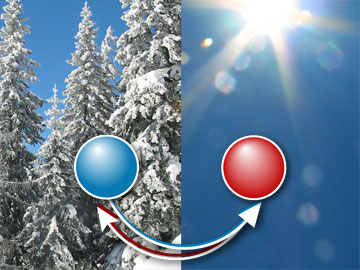
| Wool is ideal for use in all seasons, both summer and winter. Despite the drastic change in ambient temperature, to higher and lower. If you are wrapped in wool, i.e. lie in the bedding of wool it will keep your body temperature in the "comfortable zone". We all have the experience that the wool protects from low temperatures, but some of us know that wool also protects from high temperatures. Bedouins, for example, wrap in wool to protect themselves from extremely high temperatures, and the Eskimos from the cold. |
 |
| The ideal temperature regulation |
| Wool keeps your body temperature constant. In contrast to cotton and synthetic materials, wool constantly controls temperature, and keeps it in the "comfortable zone" keeping your body temperature constant. |
 |
| Best humidity control |
| Wool maintains and keeps moisture exchanging between the human body and itself, thus maintaining moisture of your skin. Scientific research, when it comes to humidity control, has shown that wool is a superior material compared to other materials (feathers, cotton and all synthetic materials). Wool fiber has the ability to easily clean moisture received from your body, release excess into the environment, and return the remainder to your body-skin. (An average person releases about half a liter of fluid during the night, sweating – that is a way to clean the body). |
 |
| Pleasant dry environment, resistant to mold, fungus... |
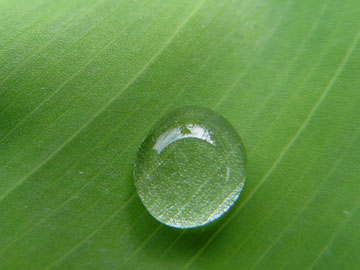
| Wool refuses water drops, and can absorb 1/3 of its own weight of water vapor (moisture), and not feel damp. Thanks to this extremely important quality of wool regardless of the moisture that remains inside, is resistant to mildew and it can not develop mold and fungi. As such wool is not a suitable environment for microbial growth, unlike other natural and synthetic materials. Mold, mildew, fungi and various micro-organisms are one of the largest means of irritation to the immune system. |
 |
| Super elastic fiber, oxygen therapy |
| Science is still trying to figure out all the wonders of wool. The molecular structure of wool fiber partly explains the superiority of wool over all other natural and artificial materials, it is unique and the analysis shows that it consists of 12 amino acids. Molecules of rod-like cells are arranged in a long winding spiral chain, connected in the direction of the fibers to provide another exceptional feature, elasticity. Wool fiber is a top material in elasticity compared to most other materials. The special structure allows wool to receive a tremendous amount of air, about 75%, and easily exchange oxygen with our body, the skin. During use, it is expected that the wool fibers lay down. In order to retain its original look, sun (not direct sun exposure) and the fresh air can make a miracle. Wool actually "enjoys" when exposed to fresh air, as it were breathing. In this way, it is absorbing the surrounding fresh air and getting rid of impurities. |
 |
| Non-flammable |
|
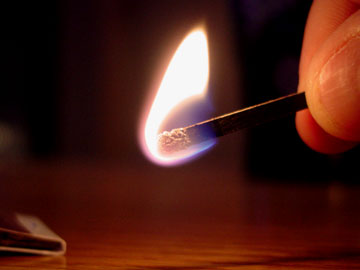
Wool is non-flammable. Wool does not burn unless it is directly exposed to flames. Wool is by far the safest way to protect your home or an institution such as hospitals, hotels and schools, against the dangers of fire. Wool simply does not support the fire and is an ideal protection against fire and extremely high temperatures. Protective clothing in smelters, underwear, protective caps worn by the pilots, Formula 1 and rally drivers, those contain wool, because it is the best protection from fire. The biggest advantage of protective clothing and materials from wool is that the wool during combustion turns into a powder, as opposed to synthetics that turns into a sticky mass and inseparably sticks to the skin with tragic consequences.
|
 |
| Regulates heart rate |
| Woolen blankets soothe the heart. The tests were carried out in authorized institutions, relating to the monitoring of the heart rate in people who slept in synthetic bedding and wool bedding. The rhythm under woolen blankets was always calm and balanced. Other materials tested had no calming effect on the heart. It is apparent from this research that wool is relaxing the body. |
 |
| Antiallergenic |
| Woolen blankets do not cause allergies. Allergies exclusively to wool hairs are a rarity. Woolen blankets with a high purity are not bleached and contain no chemicals. The main content of wool fiber is wool fat, known as lanolin. The antibacterial effect of lanolin is known and is therefore recognized in the pharmaceutical industry and is used as the basis of many cosmetic creams to prevent their contamination during use. All of us know well the beneficial effect of Pavlović's cream and the main ingredient it contains is just lanolin. People who have an allergic reaction to wool, in fact often react to chemicals to which wool is subjected in various technological processes, but as noted above wool blankets with high purity are not bleached and during cleaning are not treated with aggressive chemicals. |
 |
| Antirheumatic |
| It turned out that the wool is an ideal material as a preventive measure against colds and sleeping in wet beds, and thus acts as a prevention of rheumatic disease. Thanks to maintaining constant body temperature "in the comfortable zone", there is no irritating to the nerves that cause pain, thereby alleviates pain and rheumatic complaints. Amino acids in the structure are proven to be very successful in alleviating gout. All those who wear wool socks felt the benefits; there is no excessive sweating, smell, and the elimination of fungal feet infections. Skiers especially like underwear made of wool, because excessive sweating does not make clothes seem wet, and regulates their body temperature according to activity. Therefore, we strongly suggest all clothing made of wool, and to equip your bed with linens of pure fleece wool. |
 |
| Easy to maintain, negligible electrostatic charge |
| Pure fleece wool does not require much care. In normal conditions it has almost no electrostatic charge. Fiber with specific chemical properties and that can hold so much moisture in itself is very difficult to electrify. Due to this feature it does not magnetically attract dust and does not keep it. Also is important the impact of structure of the fiber, whose outer shell is made of flakes, as in fish scales, which are directed towards the top of the fibers, thus preventing dirt and solid particles of getting inside. With beating, brushing, frequent ventilation i.e. light washing or dry cleaning chemicals, wool is easily maintained. |
 |
| Healthy sleep |
When we are involved with some physical activity, we consume energy. Consequence of consuming energy is a feeling of fatigue, exhaustion. To maintain our body temperature we need energy. In order to warm up, your body trembles and for that we need energy, to cool down, we sweat, and for that we need energy. If you sleep in bedding that is too hot you suddenly start to sweat (waste energy), environment becomes moist, you uncover yourself and after a while it becomes cold, now you are shivering and trying to warm up, but in very cold and damp sheets that is a long process and for this you need a lot of energy. So no wonder in the morning you wake up tired and exhausted because it is a consequence of energy consumption, as if we have been engaged in some physical activity, not sleep. Bed linen made of wool can really help. All the above listed characteristics allow us to make the sheets of wool and actually sleep at night to relax our bodies and accumulate the necessary energy, rather than consume it.
All of this has been proved in WOOLMARK's study from 2006 "SLEEP BETER WITH WOOL" – it is better to sleep with wool www.woolmark.com. |
|






